How to Cut Packaging Boxes Without Die?
Traditional die cutting has long been the standard method for producing packaging boxes. However, with the rise of short-run production and customized packaging, more businesses are looking for ways to cut packaging boxes without using expensive cutting dies.
In this guide, we’ll explain how die-free cutting works, what machines you need, and why it is becoming the preferred solution for modern packaging production.
What is Die Cutting and Why Avoid It?
Die cutting is a process that uses a physical mold (die) to cut materials into specific shapes. While it is efficient for mass production, it comes with several limitations:
· High upfront cost for die creation
· Long setup time
· Not suitable for small batch orders
· Difficult to modify designs quickly
For businesses handling custom packaging or short production runs, these limitations can significantly impact efficiency and profitability.
How to Cut Packaging Boxes Without Die?
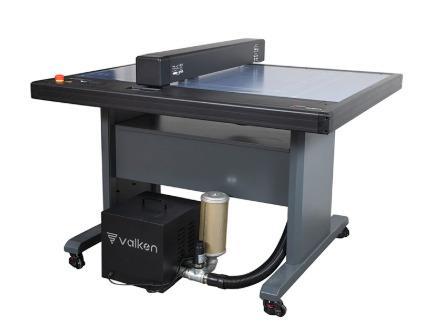
The most effective way to cut packaging boxes without dies is by using a digital flatbed cutter.
A digital flatbed cutter uses blades and software-controlled paths to cut materials directly from design files. Instead of relying on physical molds, it reads vector files and performs precise cutting automatically.
Basic Workflow:
1. Design your packaging box (AI, PDF, DXF format)
2. Print the design on cardboard or paper
3. Import the file into cutting software
4. Use registration marks for alignment
5. Start automatic contour cutting
This process eliminates the need for dies completely.
What Machine Do You Need?
To achieve die-free cutting, you need a digital flatbed cutting machine designed for packaging materials.
For example, VICUT’s Vulcan series offers:
· High precision contour cutting
· Support for cardboard, paperboard, and labels
· Multiple functions: cutting, creasing, perforating
· No die required for operation
For packaging applications, you can check: Packaging Box Cutting Solution
Recommended machines:
Materials You Can Cut
Digital flatbed cutters are highly versatile and support a wide range of materials:
· Cardboard and paperboard (up to 600gsm)
· Corrugated paper
· Coated paper
· Self-adhesive labels
· Synthetic materials (PP, PET, PVC)
This makes them ideal for packaging boxes, tags, stickers, and more.
Digital Cutting vs Traditional Die Cutting
| Feature | Digital Cutting | Die Cutting |
|---|
| Tooling Cost | None | High |
| Setup Time | Fast | Slow |
| Flexibility | High | Low |
| Best for | Short run | Mass production |
| Design Change | Easy | Difficult |
Digital cutting clearly offers advantages for businesses that require flexibility and fast turnaround.
Benefits of Cutting Packaging Without Die
Switching to die-free cutting brings several key benefits:
1. Lower Cost
No need to invest in expensive dies for every design.
2. Faster Turnaround
From design to finished product in minutes.
3. Perfect for Custom Orders
Easily handle personalized packaging requests.
4. Ideal for Prototyping
Quickly test packaging designs before mass production.
5. Reduce Inventory Risk
Produce on demand instead of holding stock.
Who Should Use This Solution?
Die-free packaging cutting is ideal for:
Is Digital Flatbed Cutting the Future?
With the growing demand for customization, short-run production, and fast delivery, digital cutting is rapidly becoming the preferred solution in the packaging industry.
It allows businesses to stay flexible, reduce costs, and respond quickly to market changes.
Conclusion
Cutting packaging boxes without dies is no longer a challenge. With digital flatbed cutting technology, businesses can achieve fast, flexible, and cost-effective production.
If your business focuses on custom packaging, short runs, or rapid prototyping, adopting a digital cutting solution can significantly improve your workflow and competitiveness.
Want to improve your packaging production efficiency? Contact VICUT today to get a free cutting sample or machine recommendation.
 vicutcnc@cncvicut.com