In the packaging industry, cutting is a critical step that directly affects production efficiency, cost, and flexibility. Traditionally, die cutting has been the standard method. However, with the increasing demand for customization and short-run production, digital cutting is rapidly gaining popularity.
So, which one is better for your business—digital cutting or die cutting? This guide will help you understand the key differences and choose the right solution.
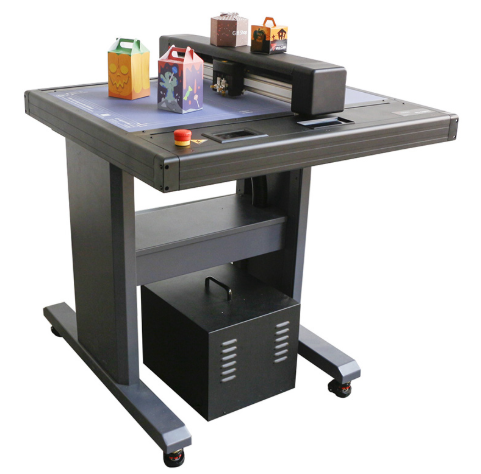
What is Die Cutting?
Die cutting is a traditional process that uses a physical die (metal mold) to cut materials into specific shapes. The die is pressed onto the material to create consistent results.
Key Features of Die Cutting:
· Requires custom-made dies
· High precision for mass production
· Suitable for large-volume orders
· Fixed design once die is created
While die cutting is efficient for large-scale manufacturing, it lacks flexibility for modern packaging needs.
What is Digital Cutting?
Digital cutting uses a computer-controlled flatbed cutter to cut materials directly based on digital design files. It does not require any physical dies.
Key Features of Digital Cutting:
· No die required
· Fast setup and operation
· Easy design changes
· Ideal for short-run production
· Supports multiple functions (cutting, creasing, perforation)
For packaging applications, you can explore: Packaging Box Cutting Solution
Digital Cutting vs Die Cutting (Full Comparison)
| Feature | Digital Cutting | Die Cutting |
|---|
| Tooling Cost | None | High (die required) |
| Setup Time | Very fast | Time-consuming |
| Flexibility | Very high | Limited |
| Best for | Short-run, custom | Mass production |
| Design Changes | Instant | Requires new die |
| Production Speed | Medium | Very high |
| Initial Investment | Lower | Higher (tooling) |
Cost Comparison
Die Cutting:
· High upfront cost for die creation
· Cost-effective only for large volumes
· Additional cost for every design change
Digital Cutting:
If your business handles frequent design updates or small orders, digital cutting is significantly more cost-efficient.
Flexibility and Customization
One of the biggest advantages of digital cutting is flexibility.
With digital cutting:
· You can switch designs instantly
· Produce one piece or thousands without setup change
· Easily handle customized packaging orders
In contrast, die cutting requires a new die for every design, making it less suitable for customized or frequently changing projects.
Production Speed: Which is Faster?
In real business scenarios:
Application Scenarios
Digital Cutting is Best For:
· Packaging prototypes
· Short-run packaging production
· Custom packaging boxes
· Stickers and labels (kiss cutting)
· Print shops and design studios
Die Cutting is Best For:
· Mass production packaging
· Standardized box designs
· Long-term large-volume orders
Why Digital Cutting is Growing Fast in 2026
Market trends are shifting toward:
· Shorter product life cycles
· More customized packaging
· Faster delivery requirements
· On-demand production
Digital cutting perfectly matches these needs, which is why more packaging businesses are adopting it.
Recommended Digital Cutting Solution
For businesses looking to switch to digital cutting, a digital flatbed cutter is the ideal choice.
VICUT's Vulcan series provides:
· High precision cutting for packaging materials
· Support for cardboard, labels, and films
· Integrated functions: cutting, creasing, perforation
· No die required
Recommended models:
Conclusion: Which One Should You Choose?
There is no one-size-fits-all answer.
· Choose die cutting if you focus on large-volume, standardized production
· Choose digital cutting if you need flexibility, customization, and fast turnaround
For most modern packaging businesses, especially those handling short runs and custom orders, digital cutting is becoming the better choice.
Looking for a flexible packaging cutting solution? Contact VICUT today to get a free sample or expert recommendation.
 vicutcnc@cncvicut.com